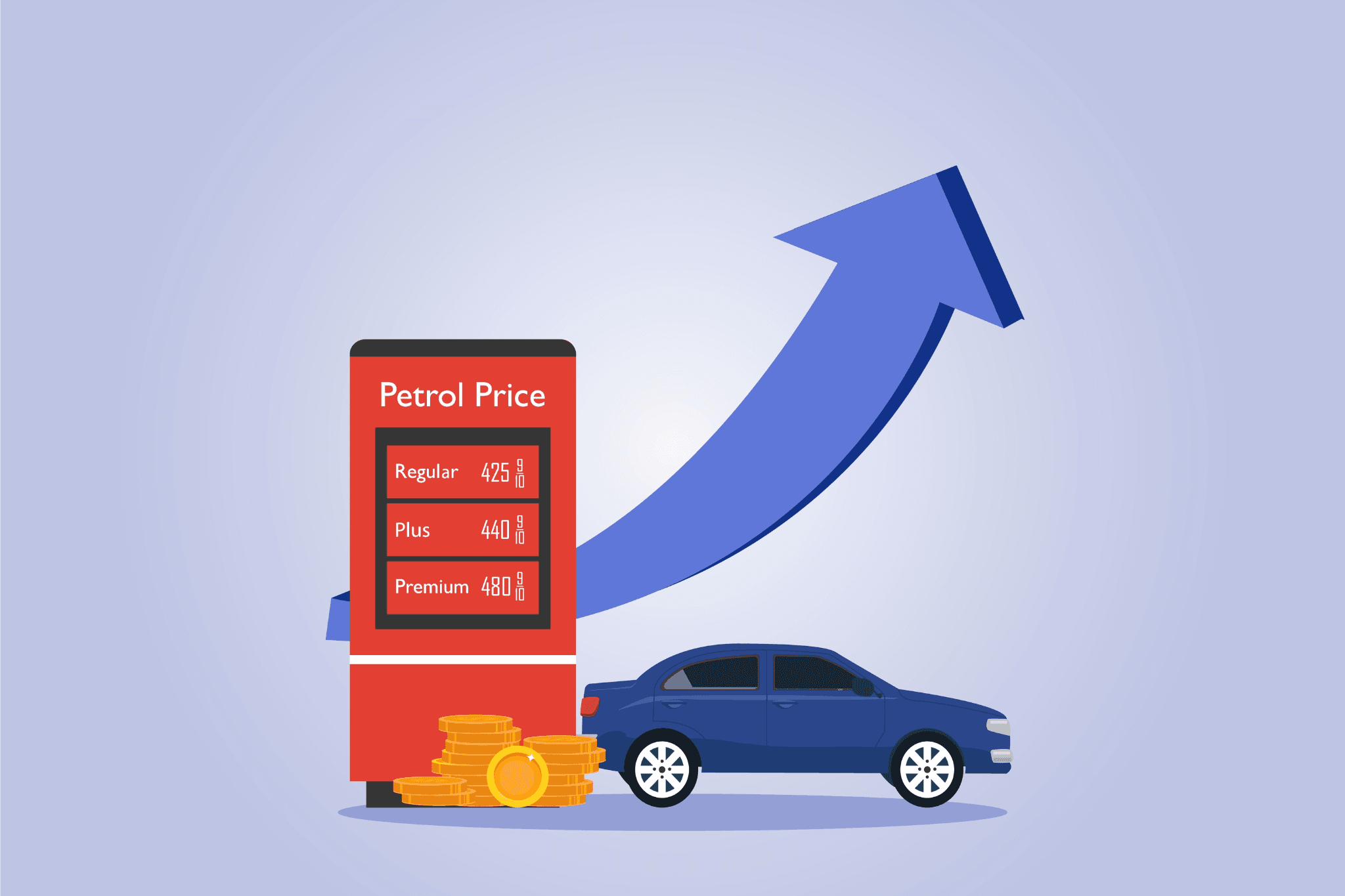
Geopolitical tensions are set to push UK petrol prices to the highest level of the year, with the average cost reaching 160p per litre, according to RAC monitoring.
This comes after the Bank of England warned interest rates might rise if volatile oil and gas prices lead to added inflation.
Higher fuel prices and potentially higher interest rates could hit SMEs particularly hard, driving up costs and decreasing their borrowing costs.
While this instability might drain finances, there are options available that can save your business money in the long run.
Through Electric Vehicle schemes and expert financial guidance, tighter margins and higher interest rates can be offset, so businesses can enjoy more financial breathing room.
What are the hidden costs of higher fuel prices for SMEs?
If your firm runs vans, operates machinery or needs to heat facilities, rising fuel prices are likely to substantially raise operating costs.
Suppliers may raise their prices with the cost of transportation at a premium, which is felt a lot more by smaller businesses.
Aside from the obvious costs, the added risk of inflation caused by higher fuel prices can also have financial complications.
Despite the Bank of England holding the interest rate at 3.75 per cent, it warned this will be raised if fuel prices cause any added inflation.
The knock-on effect could mean that borrowing costs for SMEs increase, which could increase debt repayments and financing costs.
Consumer demand could also weaken as households face rising fuel prices and the added incentive to save, capitalising on higher interest rates.
While these factors might cause an added financial strain for SMEs, there are ways the higher prices can be managed.
Exploring the use of Electric Vehicles
To protect your business from volatile fuel prices, Electric Vehicle (EV) schemes can help decouple operations from volatile fuel markets.
While investing in EVs might carry a higher upfront cost than petrol or diesel vehicles, lower fuel and maintenance costs might make them cheaper overall.
With fuel prices having remained consistently high in the UK over the past few years, electric charging can work out much cheaper per mile.
EVs are often much cheaper to service as there are fewer moving parts, with repair and maintenance costs up to 23 per cent lower.
Favourable Benefit in Kind rates mean electric company cars are often significantly more tax-efficient than petrol, diesel and hybrid alternatives.
Switching your business operations to EVs can help protect against future fuel price spikes and can potentially save money in the long-term.
How can an accountant help you absorb costs?
Accountants can’t change the economy, but they can help a business manage its costs and keep cash flow healthy.
With the added risk of raised interest rates, our accountants can help your business effectively manage its borrowing costs.
Whether this means identifying which liabilities should be repaid first or suggesting ways your business could become less reliant on loans, financial experts can help.
Through cash flow forecasting, SMEs can identify gaps in advance and plan around them, so there is still money to cover payroll, tax and other liabilities.
Hiring an accountant to model and stress test further rises in interest rates and fuel prices allows you to understand and avoid the breaking points of your business.
If you are worried about what the rising fuel prices could mean for your business, or you are considering switching to Electric Vehicles, please reach out to our team today.